
The 20-20-20 Rule: Can It Really Help Dry Eye?


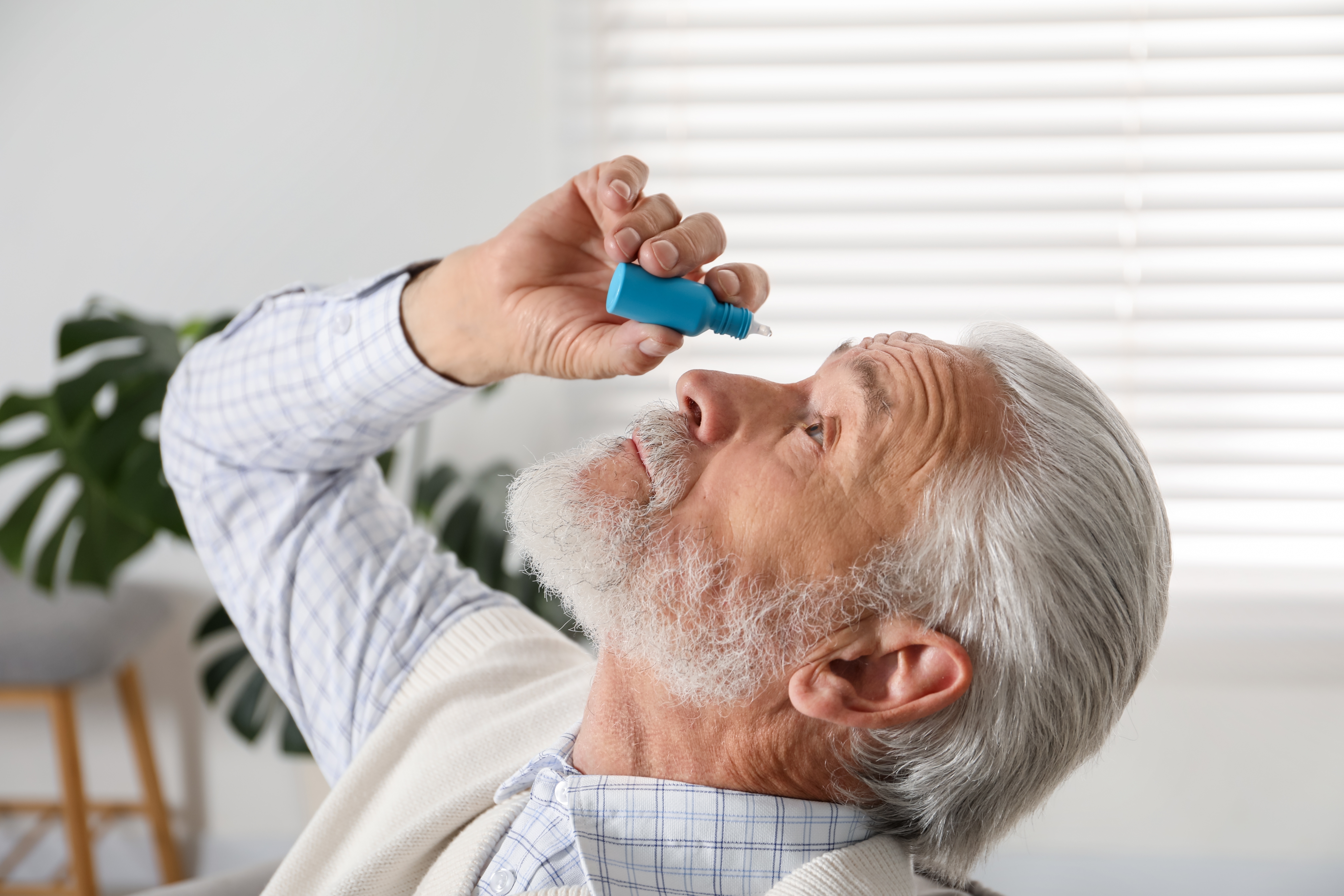
For many people in Manhattan Beach, dry eye symptoms get worse during long hours of screen use. That is one reason the 20-20-20 rule is often recommended. The idea is simple - every 20 minutes, look at something 20 feet away for 20 seconds. While this habit is most often discussed for digital eye strain, it can also help support better visual comfort when screen time contributes to dry eye symptoms. When people focus on computers, phones, or tablets, they tend to blink less often and less completely. That can make tears evaporate faster and leave the eyes feeling dry, irritated, tired, or watery. In a place like Manhattan Beach, where many people spend hours working on screens or using digital devices throughout the day, that pattern can become a daily source of discomfort. The 20-20-20 rule helps by encouraging regular breaks, which can reduce strain and remind you to blink more naturally. The 20-20-20 rule is a useful habit, but it is not a cure for dry eye. It can help reduce stress from prolonged near work and may improve comfort during screen use, especially if your symptoms are mild or mainly triggered by digital tasks. For some patients in Manhattan Beach, that small reset during the day can make it easier to get through work, school, or reading without as much irritation. Still, the rule does not treat the underlying cause of dry eye disease. If poor tear quality, inflammation, or meibomian gland dysfunction is involved, taking visual breaks alone may not provide enough relief. That is why the 20-20-20 rule should be viewed as one supportive habit rather than a full solution. The 20-20-20 rule can be especially helpful if your eyes feel worse after long periods of screen time. It is a practical step for people who notice burning, fluctuating vision, or tired eyes during the workday. It may also help if you are prone to incomplete blinking when concentrating. A few simple habits can make the rule more effective: For patients in Manhattan Beach, these strategies may reduce discomfort, but they work best when symptoms are still mild or occasional. If your eyes still feel dry every day, or if the symptoms keep returning no matter how many breaks you take, it may be time for a dry eye evaluation. Ongoing irritation can point to an underlying issue that needs more targeted care. Common signs include burning, redness, blurry vision that comes and goes, light sensitivity, watery eyes, and discomfort with contact lenses. At Beach Cities Optometry, the doctors note that they have treated dry eye disease for more than 25 years, and the practice also offers dry eye treatments such as OptiLight IPL for appropriate patients. That matters because persistent dry eye often needs more than lifestyle advice alone. The 20-20-20 rule can absolutely help dry eye symptoms that are linked to prolonged screen use. It supports healthier visual habits and may improve comfort during the day. But if dry eye in Manhattan Beach is becoming frequent, disruptive, or difficult to manage, it is worth having your symptoms evaluated so the real cause can be addressed. For dry eye care in Manhattan Beach, contact Beach Cities Optometry at 1103 Highland Ave, Manhattan Beach, CA 90266. Call (310) 906-4426 to schedule your visit.
Why Screen Use Can Make Dry Eye Worse
What The 20-20-20 Rule Can Actually Do
When It May Be Most Helpful
Signs The 20-20-20 Rule Is Not Enough
A Good Habit - But Not A Full Treatment Plan


Mon - Wed - Fri
08:30 AM to 05:30 PM
Tuesday
08:30 AM to 07:00 PM
Thursday
08:30 AM to 12:00 PM
Saturday
08:30 AM to 12:30 PM
Sunday
Closed
© 2026 Beach Cities Optometry - All Rights Reserved - Accessibility Statement - Privacy Policy - Sitemap
Powered by 