
OptiLight Follow-Ups: How Dry Eye Progress Is Assessed


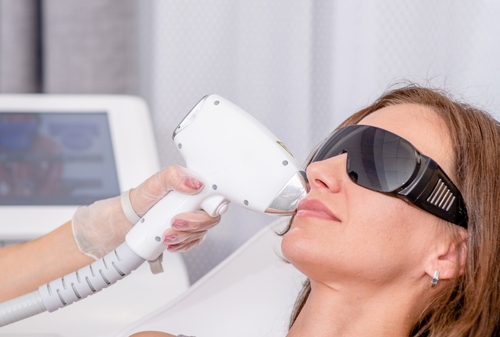
Dry eye treatment is about more than finding temporary relief. It is also about understanding how your eyes respond to treatment over time. At Beach Cities Optometry in Manhattan Beach, CA, we offer OptiLight IPL therapy to help address inflammation associated with dry eye disease. Follow-up visits are an important part of evaluating your progress and determining whether your treatment plan needs adjustments.
Why Are OptiLight Follow-Ups Important?
OptiLight uses intense pulsed light (IPL) technology to help reduce inflammation associated with meibomian gland dysfunction, a common contributor to evaporative dry eye. These glands produce oils that help prevent tears from evaporating too quickly.
Although patients may notice improvements in comfort after treatment, dry eye symptoms and treatment responses vary. Follow-up appointments allow us to evaluate changes in tear quality, eyelid health, and overall eye comfort.
At our Manhattan Beach practice, we use these visits to track progress and help patients understand what to expect as treatment continues.
How Do We Measure Dry Eye Improvement?
Dry eye progress involves more than asking whether your eyes feel better. We also examine signs of inflammation and changes in the tear film to understand how well treatment is working.
During an OptiLight follow-up, we may assess:
Tear Film Stability: We evaluate how quickly tears break up to determine whether the tear film is becoming more stable.
Meibomian Gland Health: We examine the eyelid glands and may use meibography to evaluate their structure and identify ongoing concerns.
Eye Surface Condition: We check the cornea and eyelid margins for signs of dryness, irritation, or inflammation.
Symptom Changes: We discuss improvements or ongoing problems with burning, redness, fluctuating vision, and dryness.
Comparing these findings with earlier evaluations helps us determine whether treatment is producing meaningful improvements.
What If Dry Eye Symptoms Have Not Improved?
Not everyone experiences the same response to OptiLight therapy. Some patients notice reduced irritation, while others may continue experiencing symptoms despite treatment.
Dry eye disease can have several contributing factors, including tear film instability, eyelid inflammation, and environmental conditions. Wind, screen use, and dry indoor air may also affect comfort.
If symptoms persist, we review your findings and discuss whether additional treatment or changes to your current routine may be appropriate.
Our goal is to develop a treatment approach based on your individual needs rather than relying on symptoms alone.
How Often Are Follow-Up Appointments Needed?
OptiLight treatment commonly involves multiple sessions, with follow-up evaluations helping us monitor your response throughout the process.
The timing of future visits depends on your symptoms, examination findings, and treatment progress. Some patients may benefit from additional monitoring or maintenance treatments, while others may require a different approach to managing their dry eye.
We provide individualized recommendations based on how your eyes respond.
Supporting Your Results Between Visits
Following your recommended eye care routine can help support progress between OptiLight appointments. This may include using prescribed treatments as directed, taking regular screen breaks, and reducing exposure to environmental triggers when possible.
We also encourage patients to report changes in comfort or vision rather than waiting until their next scheduled visit. New or worsening eye pain, significant redness, or sudden vision changes should be evaluated promptly.
If you are undergoing OptiLight treatment or want to learn whether IPL therapy could help your dry eye symptoms, schedule a dry eye evaluation with Beach Cities Optometry in Manhattan Beach, CA. Visit us at 1103 Highland Ave, Manhattan Beach, CA 90266, or call (310) 906-4426 to schedule your appointment today.


Mon - Wed - Fri
08:30 AM to 05:30 PM
Tuesday
08:30 AM to 07:00 PM
Thursday
08:30 AM to 12:00 PM
Saturday
08:30 AM to 12:30 PM
Sunday
Closed
© 2026 Beach Cities Optometry - All Rights Reserved - Accessibility Statement - Privacy Policy - Sitemap
Powered by 